
On 19 January 2026, we took part in a Japan International Cooperation Agency (JICA) study course on nature‑based solutions, held at the Overseas Environmental Cooperation Center (OECC) office in Tokyo. The study course was organized by OECC as part of its capacity‑building programmes for JICA.
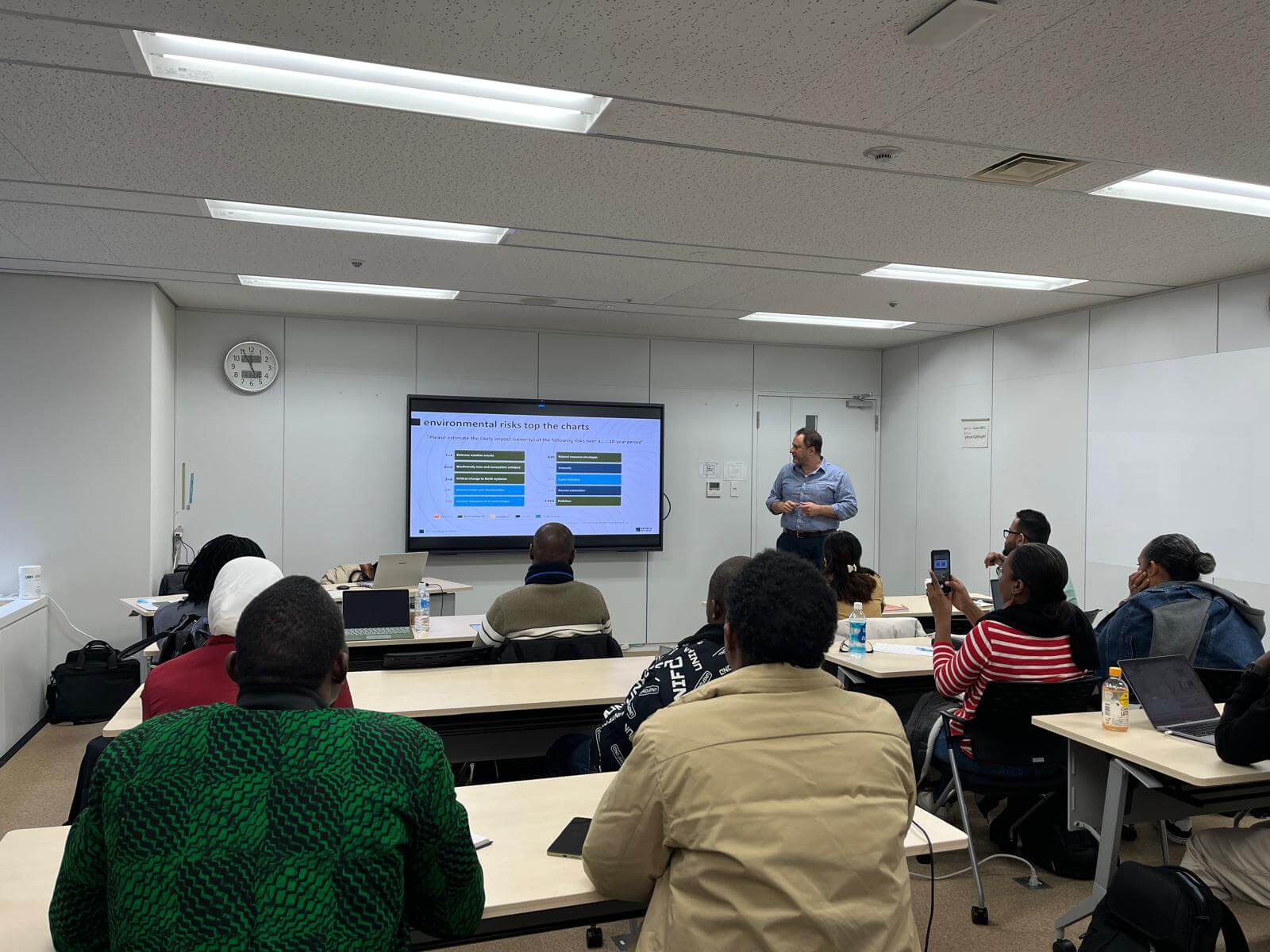
Jean‑Marc Champagne represented Seneca Impact Advisors and spoke alongside Ms. Emiko Matsuda, Deputy Director at the Ministry of the Environment, Japan. The session brought together complementary public‑ and private‑sector perspectives on nature‑based solutions, climate adaptation, and the role of finance in supporting implementation.
The study course brought together participants from government ministries from around the world, creating a forum for international exchange on policy, practice, and financing approaches related to nature‑based solutions.
As part of the programme, we delivered a presentation prepared specifically for OECC, Investing in Nature, which provided a high‑level introduction to innovative financial approaches for nature‑based solutions. The presentation set out key concepts and considerations around mobilising private sector capital for NbS, including the role of finance in supporting project viability and long‑term sustainability, drawing on illustrative examples from our work.
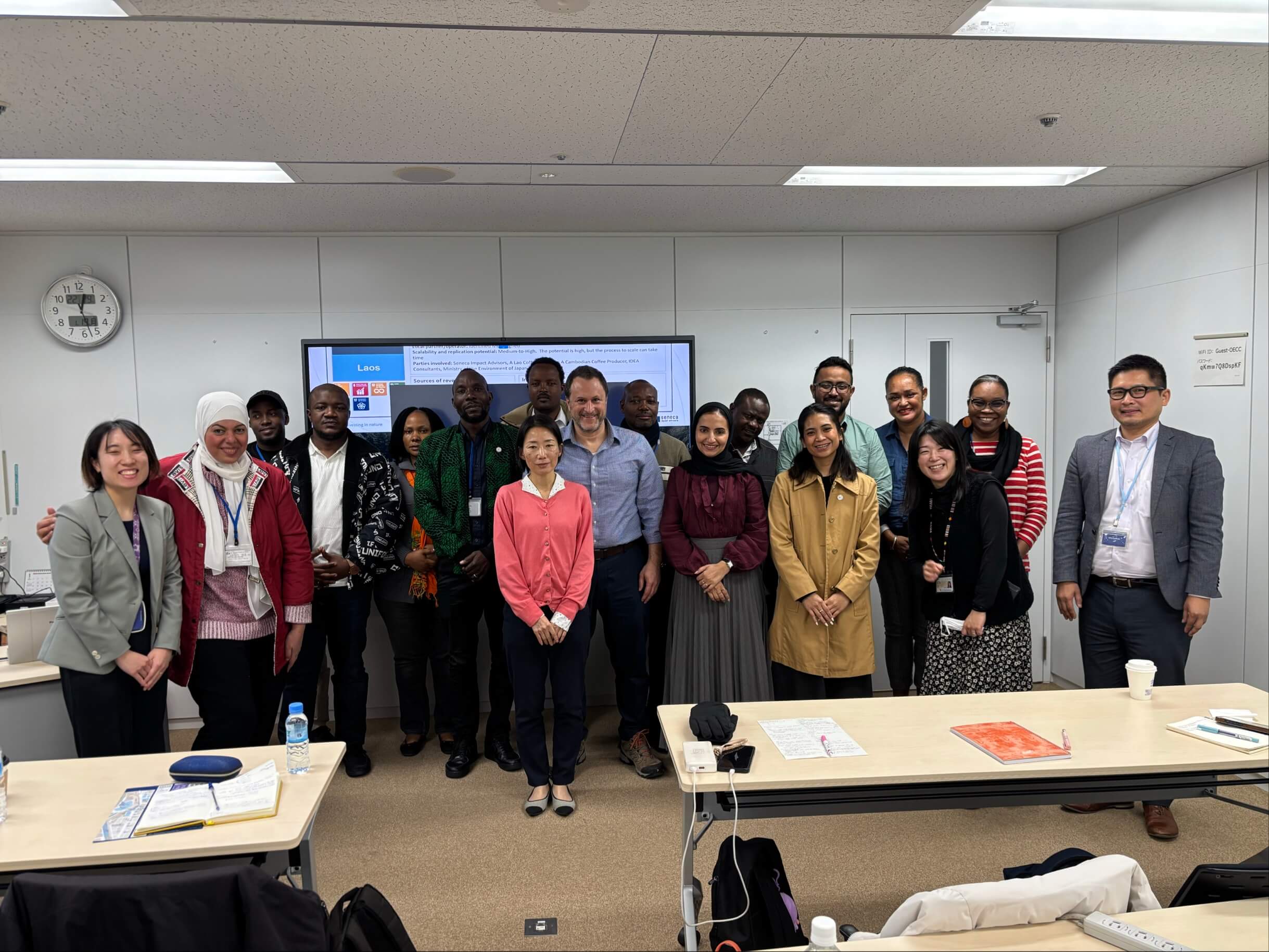
The discussion also highlighted the value of cross‑country learning in advancing nature‑based solutions across different policy and development contexts. By bringing together ministry officials with diverse mandates and regional experiences, the study course created space for reflection on how NbS frameworks, financing principles, and implementation challenges vary across countries, while sharing underlying commonalities.
In addition, the study course enabled informal exchanges between speakers and participants on how nature‑based solutions are being interpreted, prioritised, and integrated within national strategies. These conversations reinforced the importance of clear language, shared reference points, and realistic expectations when introducing NbS concepts to diverse audiences, and underscored the role of study courses such as this in building common understanding across countries and regions.