
Human health and the health of the planet are inseparable. Clean air, safe water, productive soils, functioning ecosystems, and a stable climate provide the conditions in which human societies can live and develop. When these natural systems are damaged, the consequences eventually appear in people’s bodies, livelihoods, communities, and healthcare systems.
Planetary health brings these connections into a single field of study and action. It examines how human-caused changes to the Earth, including climate change, pollution, biodiversity loss, land degradation, and the disruption of natural cycles, affect human health and the well-being of other life. It also recognizes that these effects are distributed unevenly. Communities that have contributed least to environmental damage often face the greatest exposure and have the fewest resources to protect themselves.
Environmental action is still commonly justified through measures such as emissions avoided, habitats protected, or hectares restored. These indicators remain important, but they provide only part of the picture. They do not always capture whether an intervention reduces illness, improves nutrition, protects workers from extreme heat, strengthens access to clean water, or lowers the vulnerability of communities exposed to environmental change. A planetary health perspective places these human outcomes at the centre of environmental action.
Environmental decline becomes a health crisis
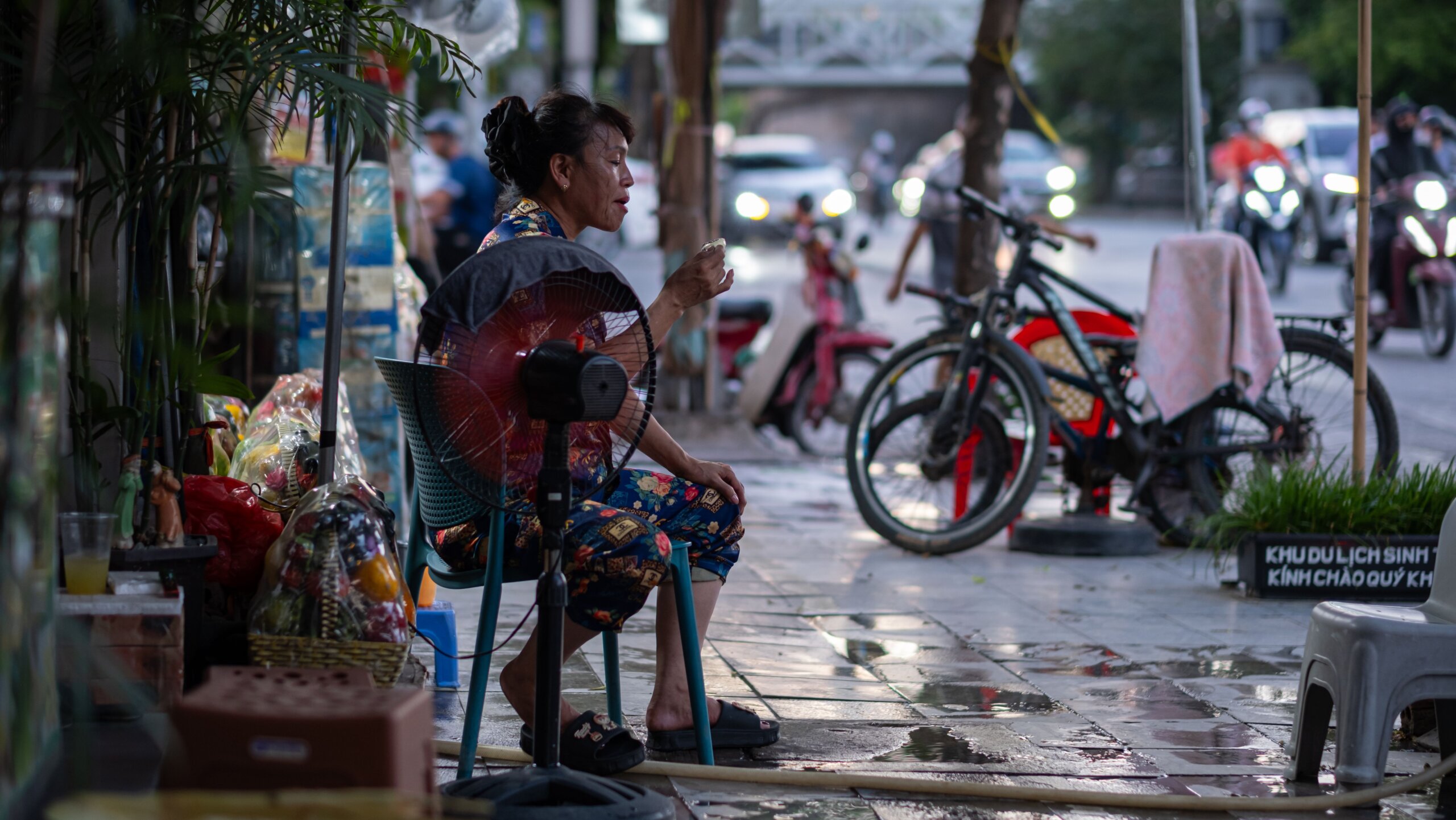
Climate change is already altering the environmental conditions that shape health. Extreme heat increases the risk of illness and death, particularly for older people, children, outdoor workers, and those without access to adequate cooling. Floods and storms can damage homes, sanitation systems, health facilities, and sources of drinking water. Changing temperatures and rainfall patterns can also influence the spread of infectious diseases, disrupt food production, and place additional pressure on already vulnerable communities.
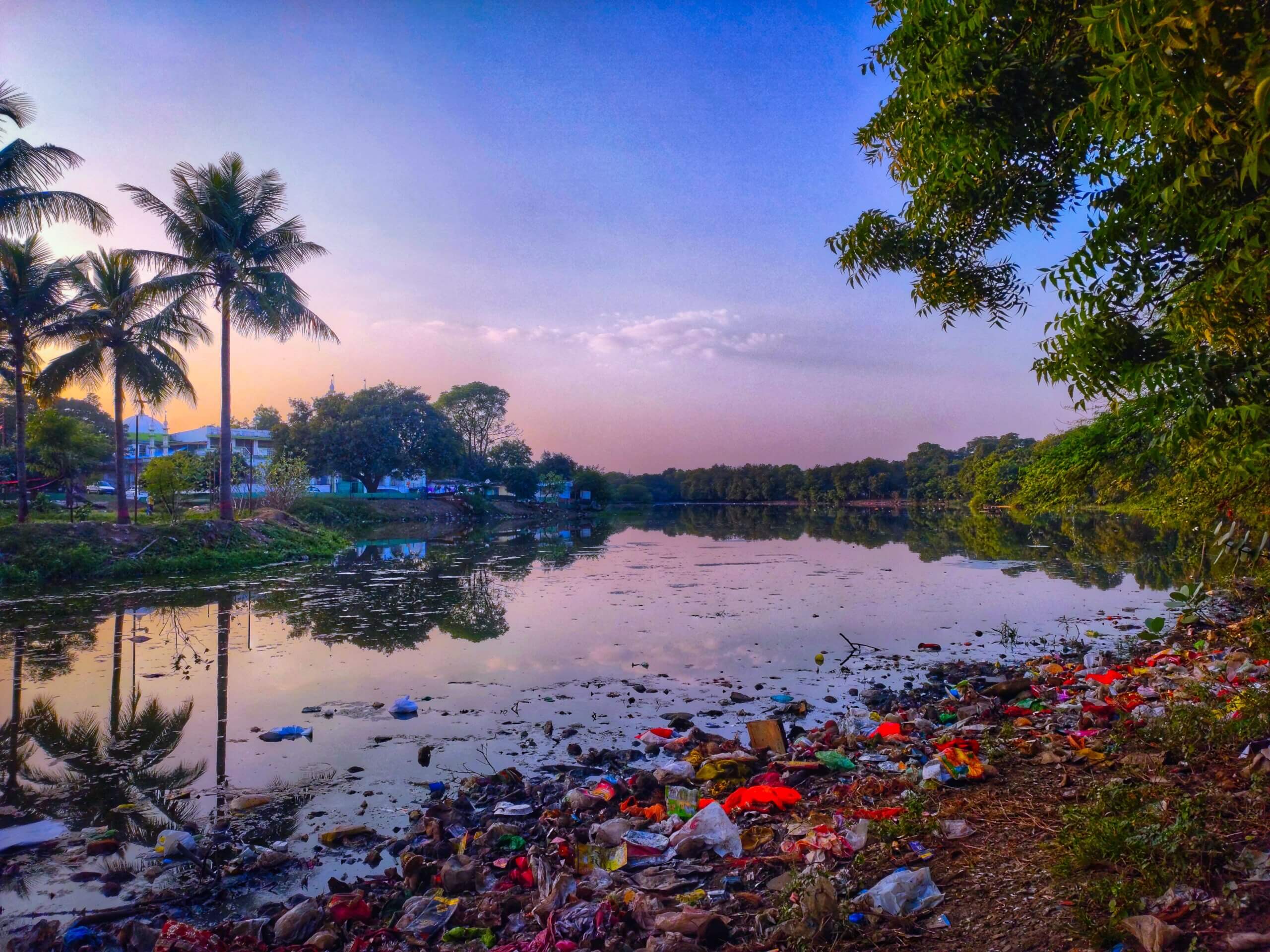
Pollution creates another direct pathway from environmental damage to poor health. Polluted air affects respiratory and cardiovascular health, while contaminated water exposes people to disease and harmful substances. Pesticides, plastics, industrial chemicals, and other pollutants can move through soils, rivers, food chains, workplaces, and homes. Their effects may extend far beyond the places where they were originally produced or used.
The loss of nature also carries consequences that are not adequately described by the disappearance of species alone. Forest clearance, habitat fragmentation, and changes in land use can alter interactions among wildlife, livestock, and people, potentially increasing the conditions in which diseases emerge or spread. Degraded ecosystems can also undermine water regulation, soil fertility, pollination, food production, and protection from natural hazards. These ecological functions support health even when their contribution is not visible in a medical setting.
Planetary health therefore expands how environmental damage should be understood. A polluted river is not only a water-quality problem. It may also be a source of disease, lost livelihoods, higher treatment costs, food insecurity, and greater pressure on households and public services. A degraded landscape is not only a biodiversity concern. It can affect nutrition, income, disaster exposure, and the ability of communities to withstand future shocks.
Health begins before the healthcare system
Healthcare systems are essential, but they generally respond after people become ill or injured. Planetary health draws attention to the environmental conditions that shape health long before someone enters a clinic or hospital.
A functioning watershed can help provide safer water and regulate flooding. Healthy soils and diverse agricultural systems can contribute to reliable food production and better nutrition. Urban trees and green spaces can moderate heat and improve local environmental conditions. Wetlands, forests, mangroves, and other ecosystems can reduce exposure to floods, erosion, and storms.
None of these natural systems can replace healthcare, sanitation, housing, or essential infrastructure. They can, however, complement them by reducing some of the environmental pressures that generate illness and vulnerability. Protecting natural systems should therefore be understood partly as an investment in prevention.
This perspective changes the way the value of environmental action is assessed. The benefits of restoring a watershed should not be measured only through water flows, biodiversity, or carbon. The analysis should also consider who gains access to safer water, whether exposure to floods is reduced, how local food production is affected, and whether the intervention lowers risks for communities with limited capacity to absorb them.
Similarly, action on urban heat should not be evaluated solely through changes in temperature or the amount of green space created. It should also examine who is protected, where vulnerable populations live and work, and whether the intervention reduces unequal exposure across the city.
Fairness is fundamental
Environmental health risks are rarely distributed evenly. People living in poverty may be more likely to reside near polluted land or water, work in dangerous heat, depend directly on degraded natural resources, or live in places exposed to floods and other hazards. They may also have less access to healthcare, insurance, secure housing, savings, or political influence.
This creates a profound imbalance. Communities that contribute relatively little to global environmental damage frequently experience some of its most severe health consequences, while the economic benefits associated with damaging activities may flow elsewhere. Future generations will also inherit health and environmental risks created by decisions in which they had no voice.
Fairness cannot therefore be treated as an optional social benefit added to an environmental project. It must influence how risks are identified, how priorities are established, how communities participate, and how resources are distributed. An intervention that improves an environmental indicator while shifting health risks onto vulnerable people cannot credibly be described as advancing planetary health.
This principle also requires greater attention to trade-offs. A climate or environmental intervention may deliver benefits at one scale while causing harm at another. Changes in land use, infrastructure, mineral extraction, agricultural production, or industrial policy can affect workers, local communities, ecosystems, and consumers differently. Planetary health requires these consequences to be considered together rather than treating environmental performance as separate from human experience.
Connecting environmental and health action
Environmental and health institutions have traditionally operated through separate policies, professional disciplines, budgets, and measures of success. Environmental agencies may focus on emissions, ecosystems, pollution, or natural resources, while health authorities concentrate on disease prevention, healthcare delivery, and population health. These responsibilities are distinct, but the problems they address are increasingly connected.
Planetary health provides a basis for bringing them closer together. Environmental interventions can be designed with explicit health outcomes, while public-health planning can give greater attention to the ecological conditions that influence exposure and vulnerability. Investments in climate adaptation, water security, food systems, pollution control, and ecosystem protection can then be assessed partly through their contribution to preventing illness and strengthening human resilience.
This does not mean that every environmental project should be presented as a health initiative. Nor does it mean reducing nature to the services it provides to people. The health of other life and the integrity of natural systems have value beyond their immediate usefulness to human societies. Planetary health nevertheless makes clear that ecological decline and human suffering are not separate crises.
A healthier future will require more than treating the consequences of environmental damage after they appear. It will require action on the underlying conditions that produce disease, vulnerability, and inequality. By connecting environmental protection with prevention, health, and fairness, planetary health offers a more complete understanding of what development must protect and whom it must serve.