
The global conversation about falling birth rates has become predictable. We are told that ageing populations will strain pension systems, shrink workforces, reduce tax bases, and weaken economic growth. These concerns are real. Modern welfare systems, labour markets, and fiscal models were largely built around expanding populations. When that expansion slows, pressure appears quickly.
But the debate is still too narrow. It treats demographic decline almost entirely as an economic problem, while rarely asking what slower population growth might mean for the planet. That omission matters because the birth rate debate is taking place in a world already facing climate instability, biodiversity loss, freshwater stress, land degradation, and ecological overshoot.
The Demographic Shift Is Real

The demographic shift is significant. According to the UNFPA World Population Dashboard, the global population reached about 8.23 billion people in 2025, while the global fertility rate was around 2.2 children per woman, only slightly above the replacement level commonly associated with long-term population stability. The UN World Population Prospects 2024 projects that the global population will continue growing for several decades, reaching around 10.3 billion in the mid-2080s before declining slightly to about 10.2 billion by 2100. Fertility is already below replacement level in more than half of all countries.
These numbers explain why governments are worried. But they do not explain why the conversation is so incomplete. People are not only workers, consumers, and taxpayers. They are also users of land, water, energy, food, housing, infrastructure, and materials. Population alone is not the only driver of environmental pressure. Consumption levels, technology, inequality, and policy choices matter enormously. But environmental impact is shaped by both the scale of consumption and the number of people consuming.
The Ecological Context Is Harder to Ignore
The ecological context is already severe. Earth Overshoot Day fell on 24 July in 2025, meaning humanity had used the ecological resources and services the planet can regenerate in a full year before the year was seven months old. Current estimates indicate that humanity is using nature 80% faster than Earth’s ecosystems can regenerate, equivalent to consuming as if we had 1.8 Earths. Since global ecological overshoot began in the early 1970s, annual deficits have accumulated into an ecological debt equivalent to 22 years of Earth’s full biological productivity.
The biodiversity data tell the same story. WWF’s 2024 Living Planet Report found a 73% average decline in monitored wildlife populations between 1970 and 2020. Freshwater populations declined by 85%, terrestrial populations by 69%, and marine populations by 56%. The steepest regional declines were 95% in Latin America and the Caribbean, 76% in Africa, and 60% in Asia-Pacific. The report identifies habitat loss, degradation, and overharvesting, driven primarily by the global food system, as dominant threats to wildlife populations. The IUCN Red List reports that more than 48,600 species are threatened with extinction, representing 28% of all assessed species.
Climate data reinforce the point. The 2025 Global Carbon Budget, published in Earth System Science Data, estimates that fossil fuel CO₂ emissions would rise again in 2025, reaching a record 38.1 billion tonnes of CO₂. It also projects atmospheric CO₂ concentrations of 425.7 parts per million in 2025, about 52% above pre-industrial levels, while describing the remaining carbon budget for limiting warming to 1.5°C as virtually exhausted. At current emissions levels, that remaining 1.5°C budget is equivalent to only about four years.
What Falling Birth Rates Are Really Telling Us
Lower birth rates should not be treated as a simple environmental solution. Population is an uncomfortable subject because it has too often been used to shift responsibility onto people rather than the economic systems that shape consumption, inequality, and ecological pressure. But avoiding it entirely does not make the ecological question disappear. The point is not to tell people how many children to have. It is to ask whether our economic systems can support human wellbeing without depending on endless demographic and material expansion, or on a growth narrative that treats more people, more consumers, and more demand as the only path to economic stability. Ageing societies create real challenges, but those challenges do not erase the need to question an economic model built around endless expansion.
UNFPA’s 2025 State of World Population report makes this point clearly. It argues that the “real fertility crisis” is not simply that birth rates are falling, but that many people are unable to have the number of children they actually want. Its survey across 14 countries found that nearly 20% of reproductive-age adults believe they will be unable to have their desired number of children. It also found that 39% reported financial limitations affecting their ability to realize their desired family size, while nearly one in five said fears about the future, including climate change and environmental degradation, would lead or had led them to have fewer children than desired.
That nuance matters. Falling birth rates should be understood as a signal. They reveal economic insecurity, housing pressure, gender inequality, care burdens, ecological anxiety, and declining confidence in the future. They also reveal how dependent our economic systems remain on continuous demographic and material expansion.
The Real Question Is Economic Design
The real issue is not whether every country should have more or fewer children. The real issue is whether our economies can adapt to demographic change without relying on each generation being larger than the last.
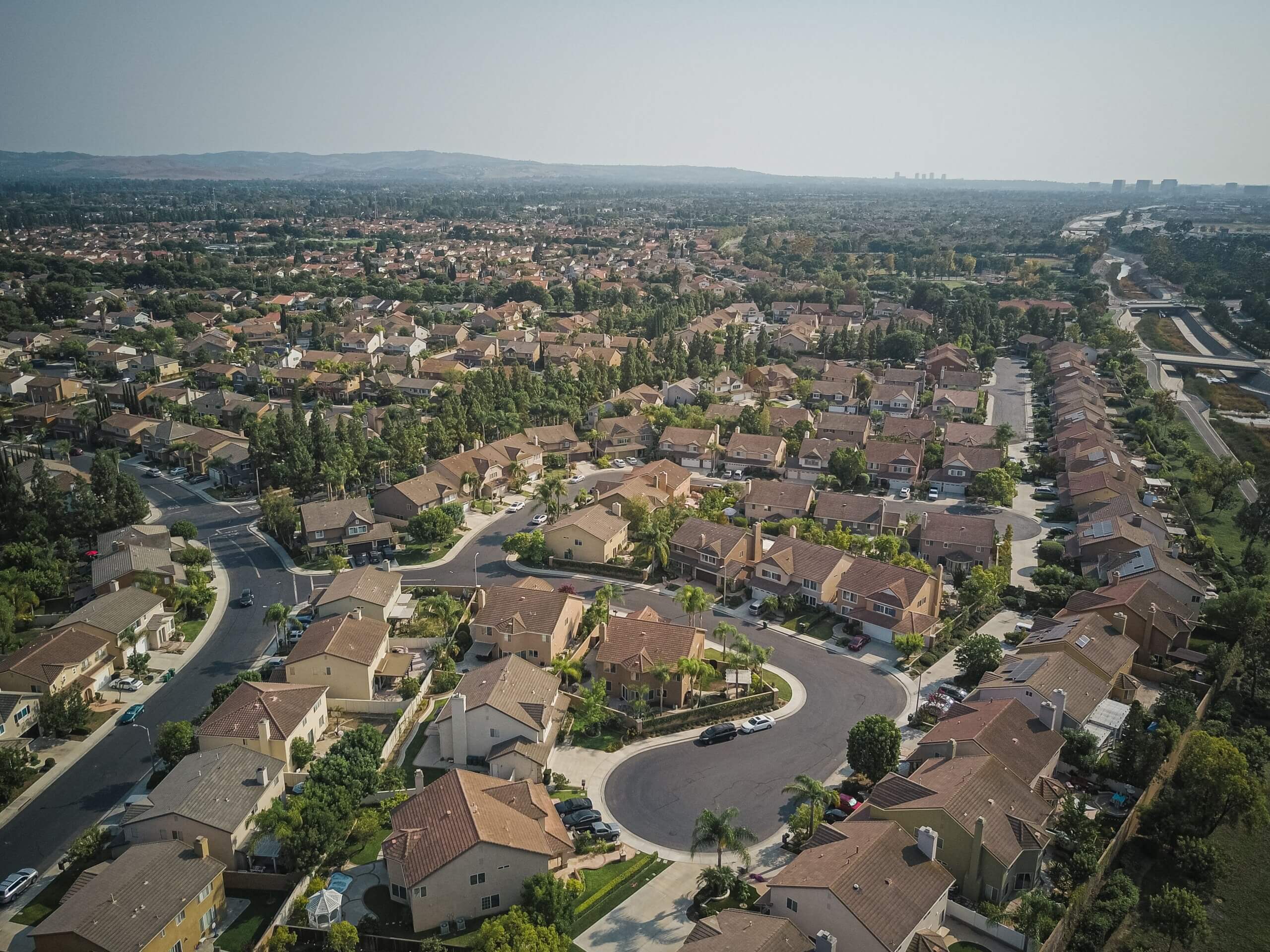
If every decline in fertility is treated as an emergency because growth requires more workers, more consumers, more housing, more debt, and more material throughput, then the weakness is not only demographic. It is structural. It suggests that our economic model still depends too heavily on more people consuming more resources every generation.
That model may have worked when ecological limits felt distant. It is far less convincing in a world already operating beyond planetary capacity.
A more useful response would focus less on panic and more on redesign. Ageing societies need stronger care systems, including healthcare, elder care, childcare, and social support, alongside more flexible working lives, better use of technology, more productive and inclusive labour markets, and pension systems that are not built entirely on the assumption of endless population growth. Economies also need to shift from measuring success mainly through aggregate expansion toward measures of resilience, wellbeing, resource efficiency, ecological restoration, and long-term security.
This is not an argument for doing nothing about falling fertility. It is an argument for asking better questions. How do we support people who want children but feel they cannot afford them? How do we build care systems that do not collapse under demographic pressure? How do we maintain economic resilience with fewer workers? How do we reduce ecological pressure while improving quality of life? And how do we stop treating nature as an unlimited input into economic growth?
Toward Resilience Within Limits
The birth rate debate gives us an opportunity to confront a deeper issue. The challenge is not only demographic decline. It is the fragility of economic systems that require endless expansion to remain stable.
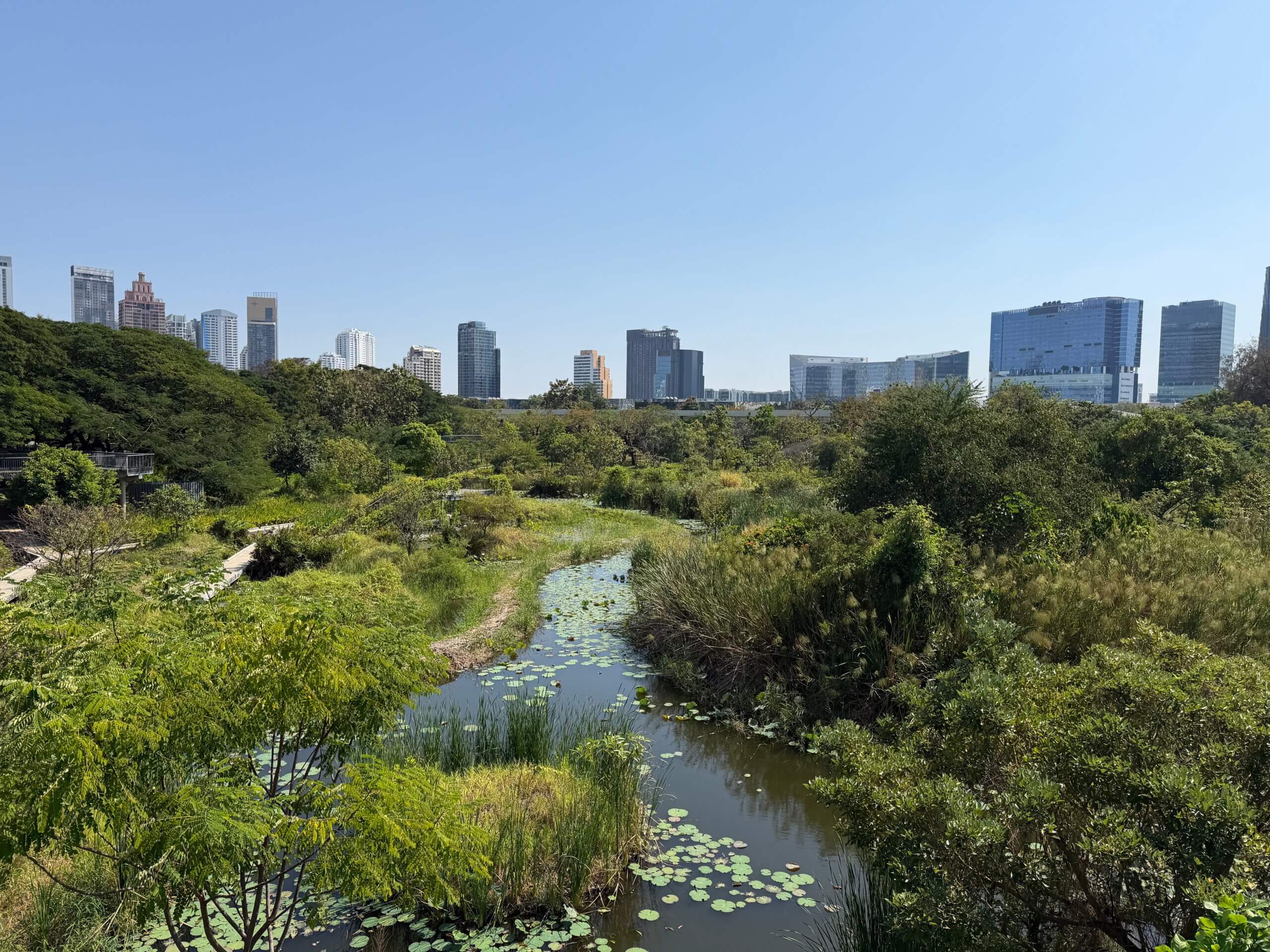
A better path would not romanticize population decline or dismiss the challenges of ageing. It would use this moment to rethink what resilient economies should look like. That means economies that can support families without coercion, care for older populations without panic, raise productivity without simply increasing extraction, and improve wellbeing without requiring endless material growth.
This requires practical shifts. Care systems need to be treated as core infrastructure, not a social afterthought. Housing affordability needs to be part of fertility policy, because people cannot plan families if they cannot plan their lives. Labour markets need to make better use of older workers, women, migrants, and technology without simply pushing everyone to work longer under greater pressure. Pension systems need to be redesigned for demographic reality. Cities need to become more resource-efficient, healthier, and less land-intensive. Food, energy, water, and material systems need to reduce ecological pressure while maintaining quality of life.
None of these answers is simple. But they are better than pretending that the only solution to falling birth rates is to restore population growth and keep the old model running. Growth in a world with clear ecological boundaries cannot remain the unquestioned objective. The goal should be human wellbeing that can endure within limits.
The point is not to turn fertility into another ideological battleground. It is to ask whether the systems we have built are fit for a future where both people and the planet need something better than endless expansion.