Scaling Climate-Adapted and Circular Food Infrastructure
Seneca works with partners to strengthen food systems that are climate-resilient, ecologically aligned, and commercially viable. Our focus includes climate-resilient food production, food waste utilization, and food security. This work supports sustainable food value chains and circular economy solutions, especially in waste recovery and supply chain optimization. We prioritize upstream projects that improve reliability, reduce emissions, and align with nature-based solutions and long-term food system resilience. Many of these initiatives are structured as investment-ready projects with blended finance and clear ecological and financial outcomes. We also engage with enabling technologies such as cold chain infrastructure, protein enhancement platforms, and data-driven planning tools that improve system efficiency and reduce loss.
We work with partners building food system projects that deliver ecological resilience and commercial viability.
What We Shape
Climate-Resilient Food Production
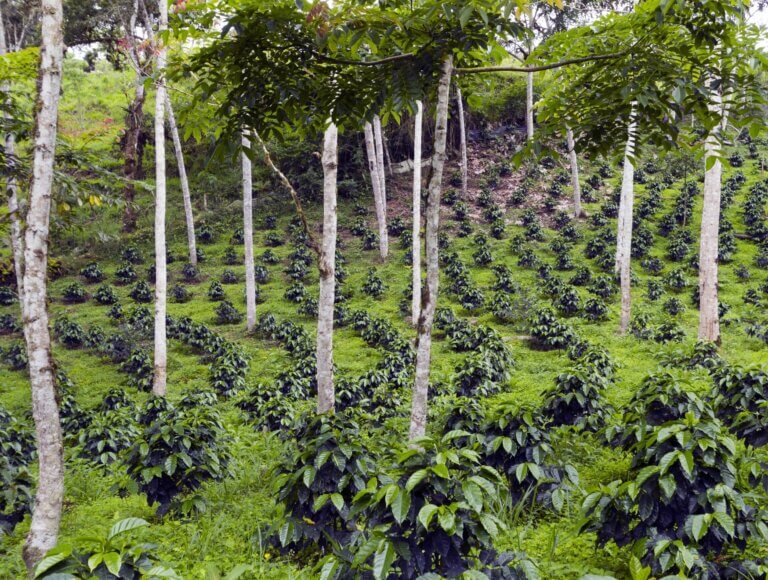
Erratic weather patterns, droughts, and floods are increasingly disrupting food production and threatening food security, especially for economically vulnerable communities. Seneca works with partners to identify and structure commercially viable agricultural and aquaculture projects that can withstand climate shocks while delivering ecological and financial returns. This includes climate-adaptive systems such as drought-tolerant crops and floating platforms for aquaculture and agriculture in flood-prone or water-abundant environments, as well as integrated agri-aqua systems that combine fish farming with crop cultivation to optimize land and water use.
We support projects that apply enabling technologies such as remote sensing for monitoring and precision irrigation and feeding systems for efficient resource use to improve performance and reduce risk. These approaches can be applied across diverse geographies and production contexts, including rural, coastal, and transitional zones. Our focus is on investable approaches that enhance productivity, reduce volatility, and contribute to long-term food system resilience.
Food Waste Utilization
Seneca supports solutions that turn food waste into value, including composting, animal feed production, and protein enhancement. In many regions, spoilage and inefficiencies across supply chains, often due to limited access to cold chain infrastructure, lead to significant losses, especially in perishable produce. We work with partners to surface commercially viable projects that repurpose organic waste, reduce methane emissions, and improve food system efficiency. Food waste utilization reflects circular economy principles and demonstrates how ecological design and financial structuring can create new revenue streams.
Food Security
Seneca focuses on upstream interventions that strengthen the structural integrity of food systems. Our work supports efforts to improve the reliability, efficiency, and ecological sustainability of food supply chains, particularly in regions facing climate stress or rapid urbanization. This includes supporting projects that enhance post-harvest handling, reduce systemic loss, and improve distribution infrastructure, including cold chain systems that preserve food quality and reduce spoilage across long distances. We prioritize approaches that align with nature-based solutions and demonstrate clear pathways to investment readiness and bankability.
Why It Matters
Food systems are responsible for about one-third of global emissions and use 70% of the world’s freshwater. Industrial agriculture degrades 12 million hectares of soil each year, while nearly $20 trillion in hidden costs go unaccounted for. Regenerative practices like no-till farming and agroforestry can sequester carbon, rebuild soil health, and improve water retention.
Transitioning to resilient food systems is essential for planetary health and economic stability. Seneca supports projects that reward ecological performance and rethink supply chains, especially in regions facing acute degradation and food insecurity. Resilient food systems can unlock new forms of nature finance and blended finance while supporting long-term resilience
What We’re Learning
Redesigning supply chains is complex and often underfunded. Supporting small and medium-sized enterprises, improving market access, and structuring outcome-based incentives are key to scaling regenerative approaches. Measurement, reporting, and verification systems are critical, though still fragmented and costly to implement.
We are also seeing potential in waste utilization and circularity, but there are few clear ways to measure and demonstrate the full financial and environmental benefits of these projects. Aligning food systems with Scope 3 and TNFD reporting is increasingly important for credibility and access to sustainable finance. Seneca is focused on enabling projects that deliver both ecological and financial returns.