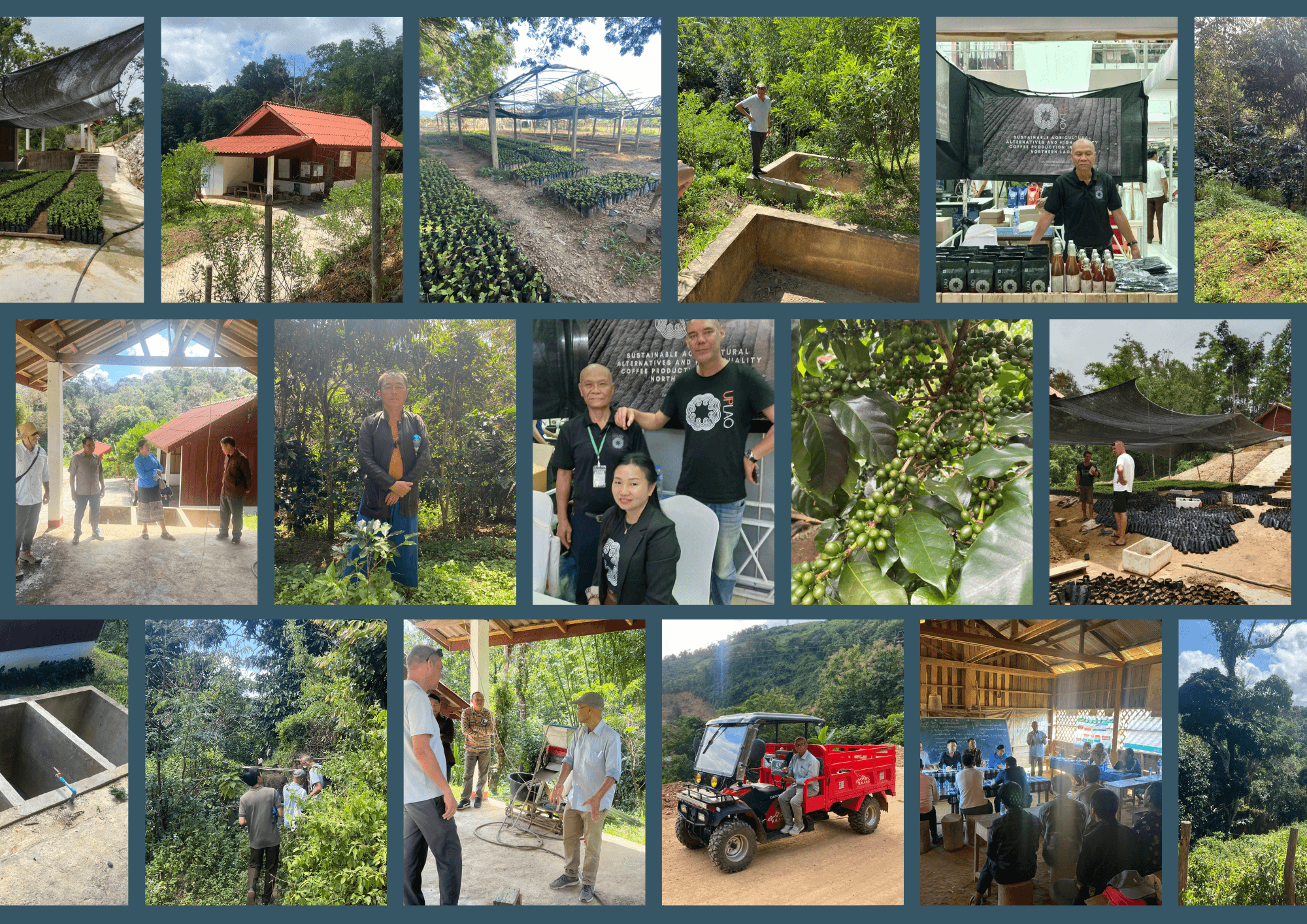
In the mountains of northern Laos, coffee is becoming more than a crop. For Uplao, it is the foundation of a business that brings together organic farming, agroforestry, smallholder livelihoods, and climate resilience in one of the country’s most distinctive upland landscapes.
Founded in 2017 by Sandor Scheeres, Uplao works with Hmong and Khmu communities in Luang Namtha Province to grow organic Arabica coffee through agroforestry. Its early work in Namvang, a farming village in Viengphouka District, saw coffee seedlings from Uplao’s nursery planted on previously degraded land through long-term partnerships with smallholder farmers. From this foundation, Uplao has grown into a commercial coffee production and export company built around organic Arabica, agroforestry, and direct farmer relationships.
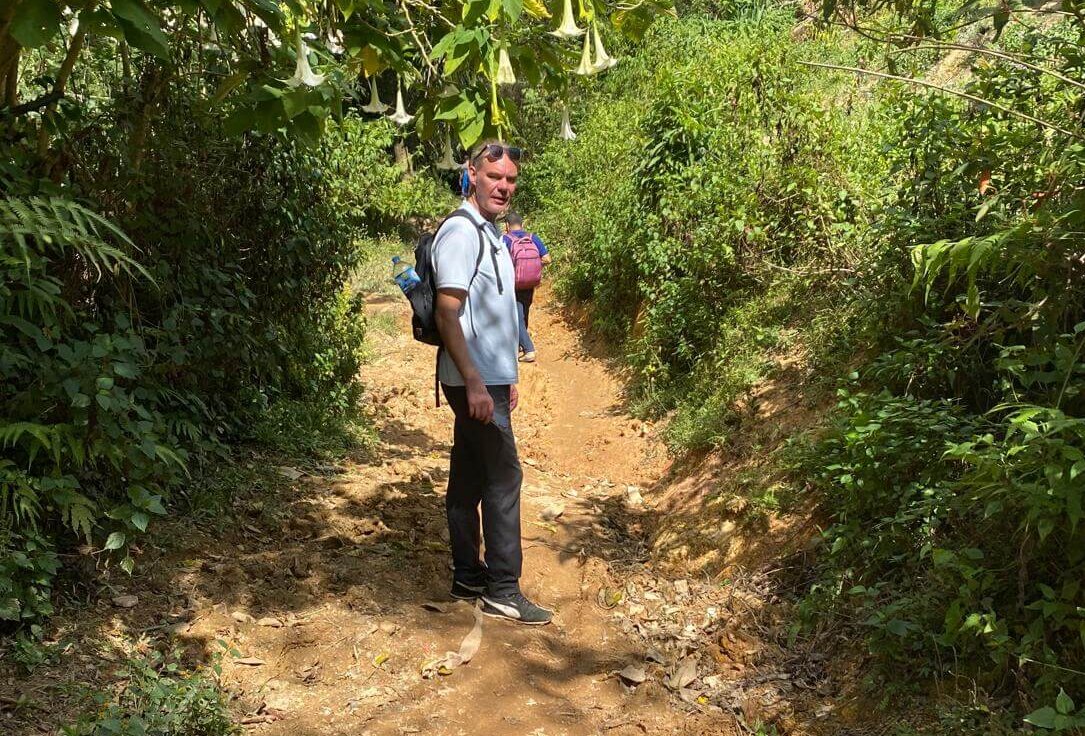
Uplao works in a region that is very different from Laos’ better-known coffee areas in the south. While most of the country’s coffee comes from the Bolaven Plateau, Uplao has focused on the northern uplands, where high altitude, available land, and strong community relationships create the basis for a more origin-driven coffee model. At more than 1,000 meters above sea level, its farms are well suited to Arabica varieties such as Katimor, Java, and Typica, which are valued for quality and premium market potential.
Seneca Impact Advisors is working with Uplao to support the company’s next stage of growth, helping strengthen its commercial strategy, financing pathway, and partnership opportunities. The collaboration reflects Seneca’s broader role in helping nature-based businesses become more investable, market-connected, and capable of delivering measurable climate, nature, and livelihood outcomes.
Coffee Grown Under Trees
Uplao’s model is rooted in shade-grown coffee. Instead of relying on monoculture production, its coffee plants are grown within an agroforestry system that includes banana, macadamia, avocado, longan, cardamom, and other vegetation. This creates a more resilient growing environment by improving soil quality, supporting biodiversity, regulating microclimates, and reducing erosion.
As discussed in an earlier article on shade-grown coffee, the benefits of this approach are not only environmental. By growing coffee alongside trees and other crops, farmers can draw on natural ecosystem services that support production, from temperature regulation and soil enrichment to pest control and water retention. For Uplao, these benefits are central to the model: healthier farms, stronger coffee quality, and a production system that rewards farmers for maintaining a more resilient landscape.
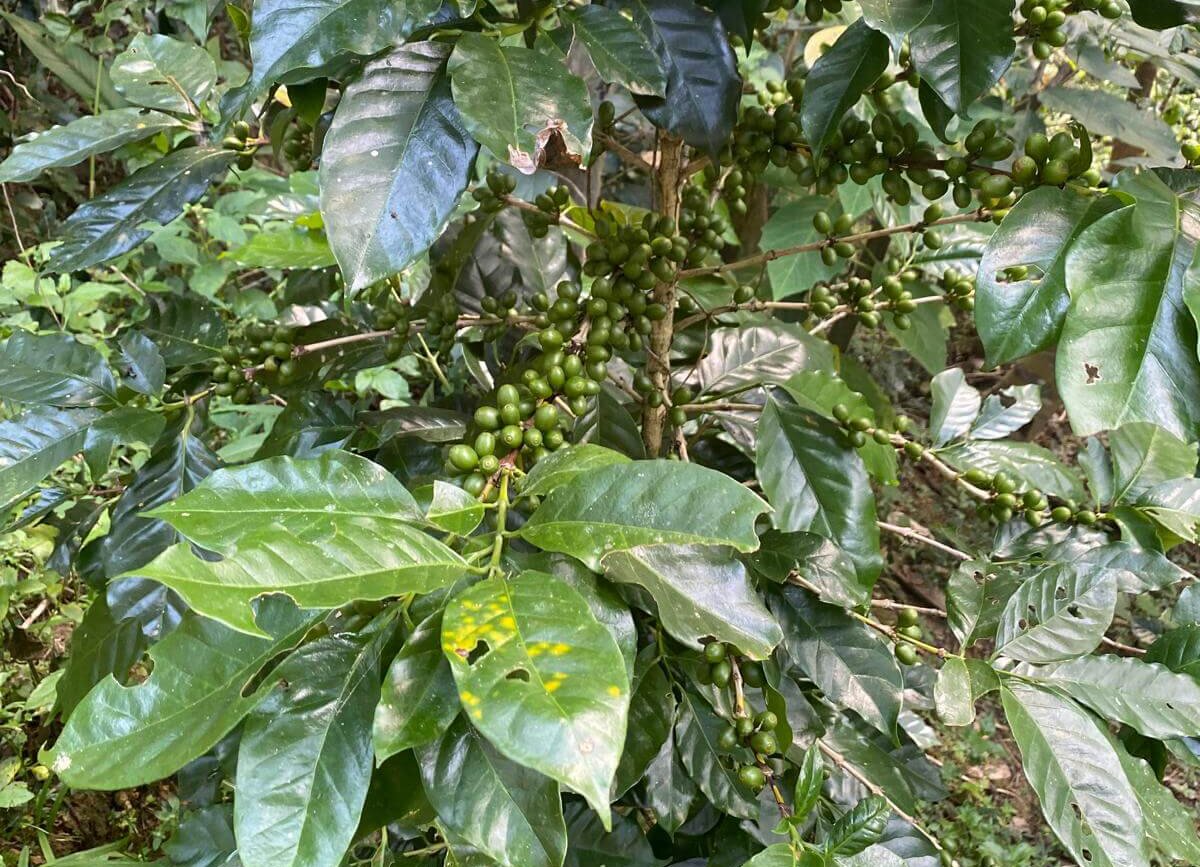
The result is a production system that supports both coffee quality and landscape restoration. Organic farming practices avoid chemical fertilizers and pesticides, while mixed planting and composting help maintain soil health. For farmers, this creates a practical link between better land management and better long-term income potential. For Uplao, it creates a differentiated product grounded in place, quality, and environmental performance.
This is what makes the company’s model compelling. Uplao is not simply sourcing coffee from smallholders. It is helping shape the conditions under which high-quality coffee can be grown sustainably in northern Laos.
A Farmer Partnership Model
Uplao’s relationship with farmers is central to the business. The company works through long-term offtake agreements, providing training, technical support, wet mill infrastructure, and a reliable route to market. During harvest season, farmers selectively handpick ripe cherries and process them using facilities supplied by Uplao, helping ensure consistency from the beginning of the value chain.
This structure gives farmers more than a buyer. It gives them a partner. Uplao’s purchase prices are aligned with the Fairtrade minimum standard, which supports stronger farmer income while reinforcing incentives for quality and sustainable production. The company also intends to provide advance payments for a portion of annual parchment purchases, helping farmers manage household needs while maintaining their commitment to coffee production.
For Uplao, this farmer-offtaker model is also a commercial advantage. Quality coffee depends on consistency, trust, and good practices at farm level. By investing in its farmer relationships, the company is building a supply chain that can support premium positioning over time.
From Upland Farms to International Markets
Uplao has now moved beyond its early development phase and into commercialization. The company has established the foundations for production, processing, export, and sales, with a structure designed to connect Lao coffee with international buyers. Uplao B.V. is incorporated in the Netherlands and owns Uplao Coffee Production and Exporting Company in Laos, creating a bridge between production in Southeast Asia and target markets in Europe and other developed economies.
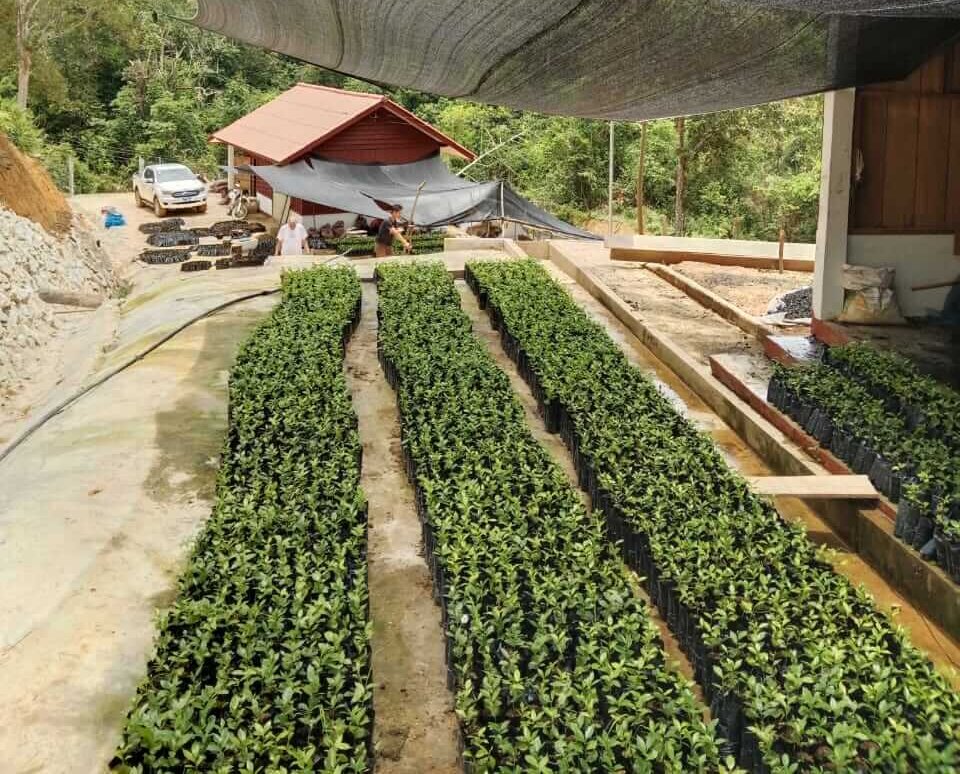
The company’s target customers include independent coffee shops, restaurants, hotels, businesses, and specialty buyers that value organic, traceable, and environmentally responsible sourcing. Uplao’s coffee is especially well suited to premium, origin-led markets where buyers care about quality, farmer relationships, and the production story behind the cup.
This is also where international partnerships could help Uplao scale. Discussions with coffee and food-and-beverage companies have highlighted practical areas for collaboration, from quality management and post-harvest practices to processing standards and market-facing narratives that connect Uplao’s coffee quality with its agroforestry and community impact.
For international coffee partners, Uplao offers a clear proposition: high-quality Arabica from a distinctive Lao origin, grown through an agroforestry model that supports climate resilience, biodiversity, and smallholder livelihoods.
Making Adaptation Investable
Uplao shows how climate adaptation can be embedded in a real business. Its farms improve soil stability, support biodiversity, avoid chemical pollution, and sequester carbon through shade-grown agroforestry systems. At the same time, the company creates income opportunities for smallholder farmers and helps diversify Laos’ export economy through higher-value agricultural production.
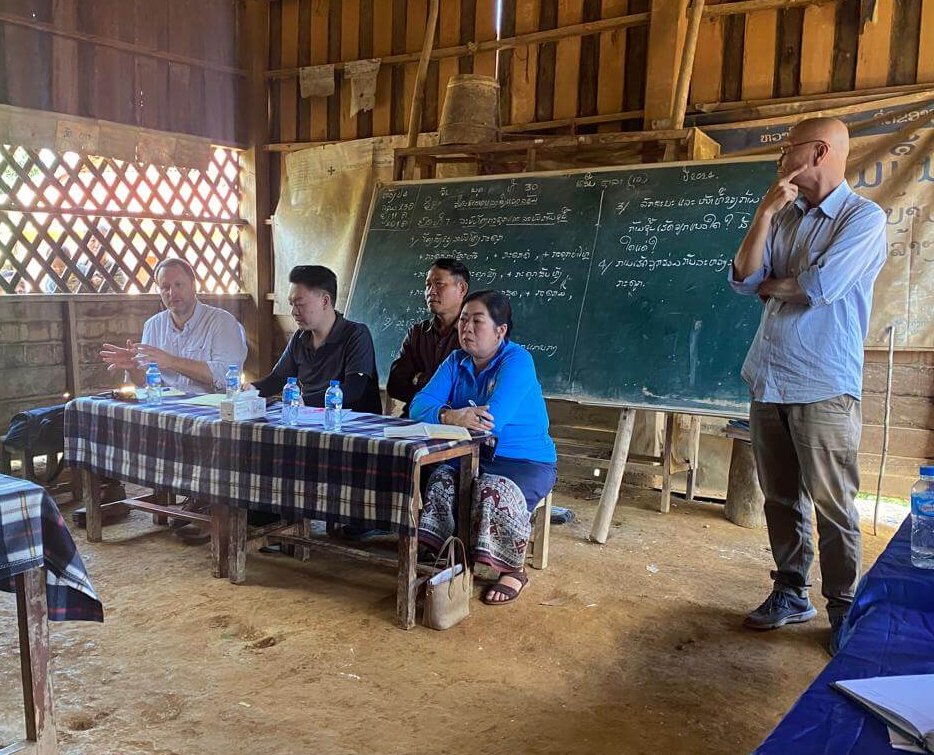
As part of its work with Uplao, Seneca has helped shape the company’s next-stage financing pathway, including support for working capital, farm network expansion, impact measurement, management systems, sales and marketing, and fixed assets. The goal is to accelerate a business model that is already in motion, helping Uplao deepen farmer partnerships, scale production, and bring its agroforestry-grown coffee to premium international markets.
A blended finance approach is well suited to this stage of growth. Grants can support community infrastructure, farmer training, and impact measurement, while concessional capital can help expand enterprise capacity and prepare the business for more commercial financing over time.
A Stronger Future for Lao Coffee
Uplao is helping create a new pathway for Lao coffee. Its model brings together the discipline of a commercial export business with the impact potential of agroforestry, climate adaptation, and smallholder development. It is a business built around the idea that better coffee can also mean better land management, stronger farmer income, and more resilient rural communities.
Seneca’s work with Uplao reflects a broader belief: nature-based solutions become more powerful when they are connected to real businesses, credible financing pathways, and markets that value the outcomes they create. With the right partners and financing, Uplao can expand what it has already started: a premium coffee platform rooted in northern Laos, connected to international markets, and designed to make nature-based adaptation commercially viable.
For Uplao, coffee is not only an export product. It is a way to restore land, strengthen livelihoods, and carry environmental and social value from northern Laos into the global market.