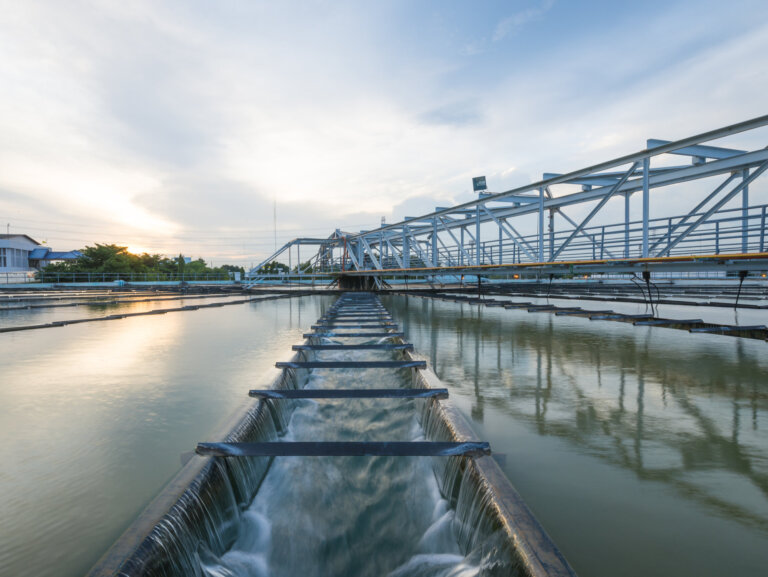
The rise of artificial intelligence is driving one of the largest infrastructure expansions in decades. Governments are competing to attract data centers, investors are pouring capital into digital infrastructure, and utilities are preparing for significant increases in electricity demand. Much of the discussion surrounding this expansion has focused on computing power, semiconductors, and energy systems. More recently, attention has turned to water as concerns grow over cooling requirements, freshwater use, and watershed impacts. Yet focusing solely on how much water AI consumes may miss the larger story. The more significant impact of AI may be that it changes the economic value of water itself.
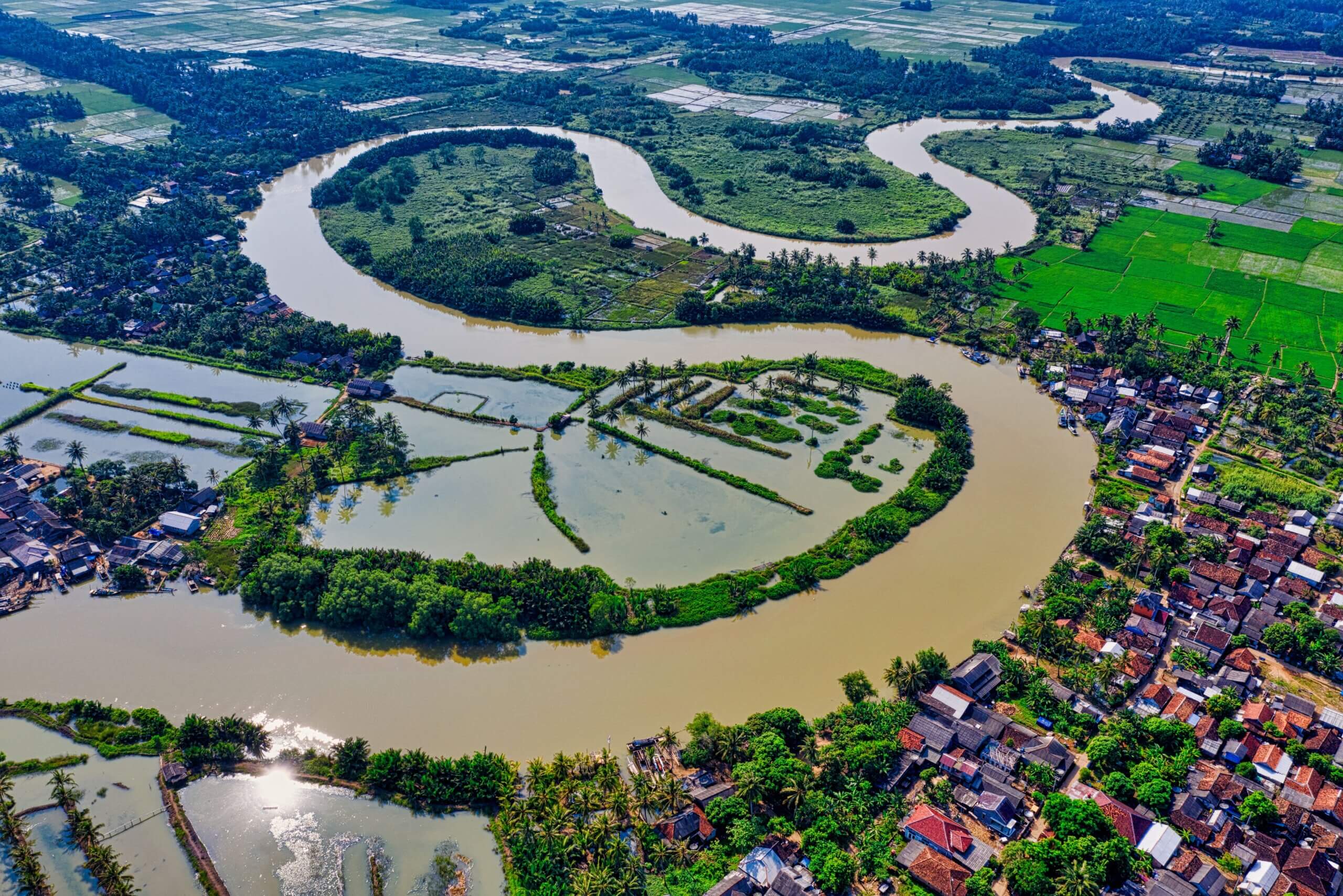
For decades, water has largely been viewed as an environmental issue, a public utility, or a resource management challenge. Economic development strategies have traditionally focused on labour, infrastructure, regulation, logistics, and access to capital, while water was often taken for granted as a necessary but largely abundant input. As economies become increasingly dependent on data centers, advanced manufacturing, semiconductors, renewable energy, and growing urban populations, that assumption becomes more difficult to sustain. Reliable freshwater is increasingly influencing where investment can occur and how economic growth can be supported. Unlike capital, technology, or even energy infrastructure, healthy watersheds cannot be built quickly. They are the product of natural systems that develop over long periods and depend on ecological conditions that are difficult and expensive to replicate once degraded.
The implications extend well beyond the technology sector. Competition for water is increasing simultaneously across agriculture, industry, mining, energy production, and urban development, while climate change is making water availability less predictable through drought, groundwater depletion, changing rainfall patterns, and rising temperatures. Together, these trends are beginning to elevate water from an operational consideration to a strategic constraint. Regions with reliable water supplies and well-managed watersheds may become increasingly attractive destinations for investment, while regions facing chronic water stress may find that economic growth is constrained regardless of how much capital they attract or how favourable their business environment appears on paper.
This represents a broader shift in how infrastructure and natural systems are viewed. Economic infrastructure and environmental assets have often been treated as separate domains, with one associated with growth and the other with conservation. In reality, the distinction is becoming increasingly artificial. Cities depend on watersheds, power generation depends on water, industries depend on reliable freshwater supplies, and digital infrastructure depends on all three. As a result, freshwater systems are beginning to resemble a form of economic infrastructure in their own right, supporting productivity, investment, industrial activity, and long-term competitiveness in much the same way as ports, power grids, and transportation networks.
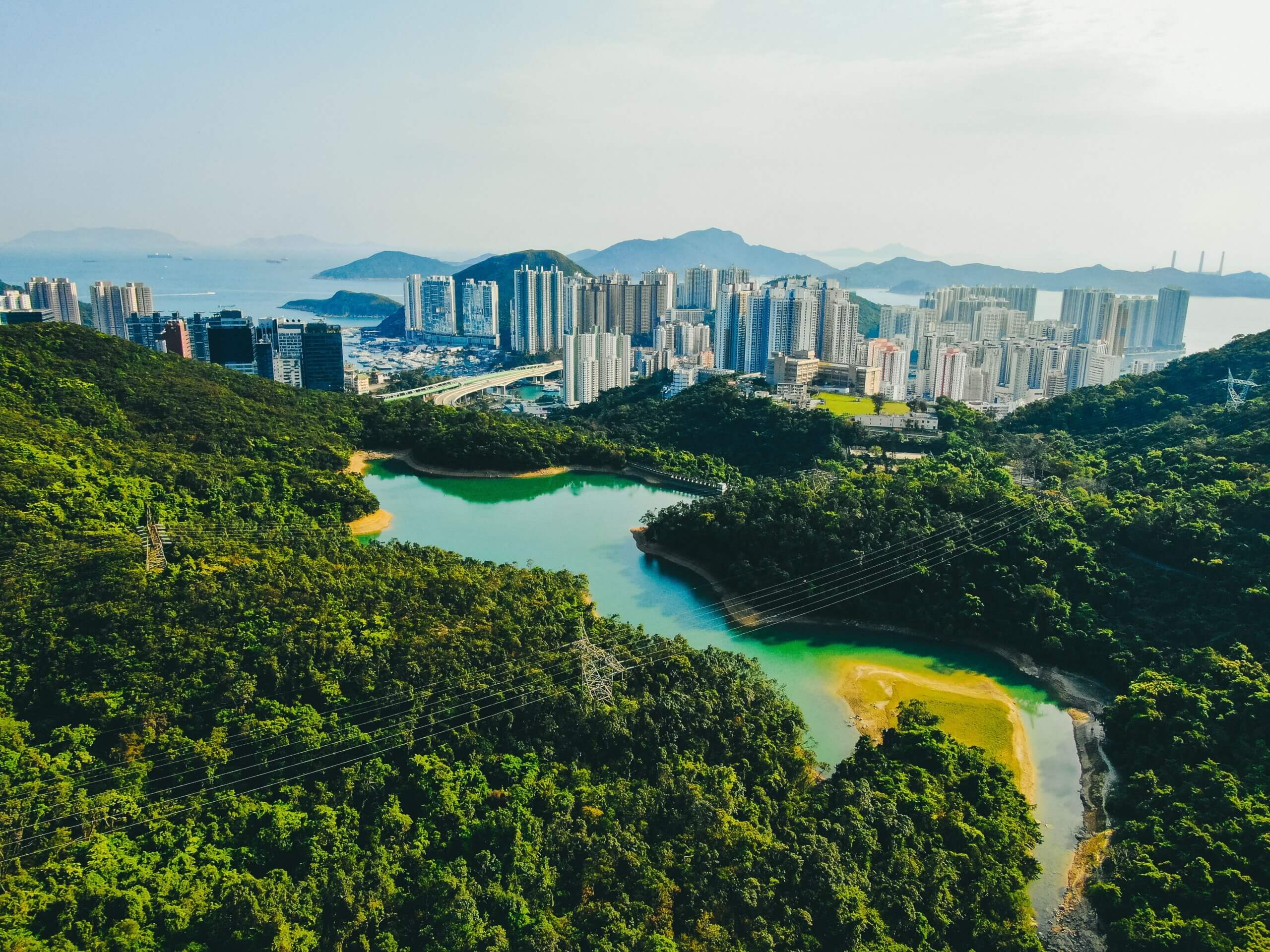
For investors and policymakers, this creates a challenge that extends beyond financing and construction. The question is no longer simply whether infrastructure can be built, but whether the natural systems supporting that infrastructure can remain viable over decades of operation. The expansion of AI infrastructure is exposing this reality particularly clearly because it links some of the world’s fastest-growing sectors to a resource that is increasingly under pressure. While public debate often focuses on computing capacity and electricity demand, the longer-term economic story may be about the natural assets that support both.
If artificial intelligence is reshaping the global economy, it may also be reshaping how societies value water. The most important impact of AI on water may therefore not be how much water it consumes, but how it forces governments, businesses, and investors to recognize that secure freshwater supplies are becoming a critical factor in future economic competitiveness. In that sense, the growing importance of AI may ultimately reveal something far bigger than a new technology cycle: it may reveal the extent to which long-term societal well-being depends on the health and resilience of the natural systems that support economic activity in the first place.