Translating nature-based solutions into investable, repeatable projects
There is no single solution to the climate and biodiversity crisis. But working with nature remains one of the most effective and underutilised pathways. Nature-based solutions (NbS) are actions that protect, restore, and sustainably manage ecosystems while delivering economic, social, and environmental outcomes. They can reduce emissions, strengthen resilience, and support livelihoods all at once. Yet despite their potential, most NbS remain underfunded, fragmented, and difficult to scale. Seneca focuses on bridging this gap.
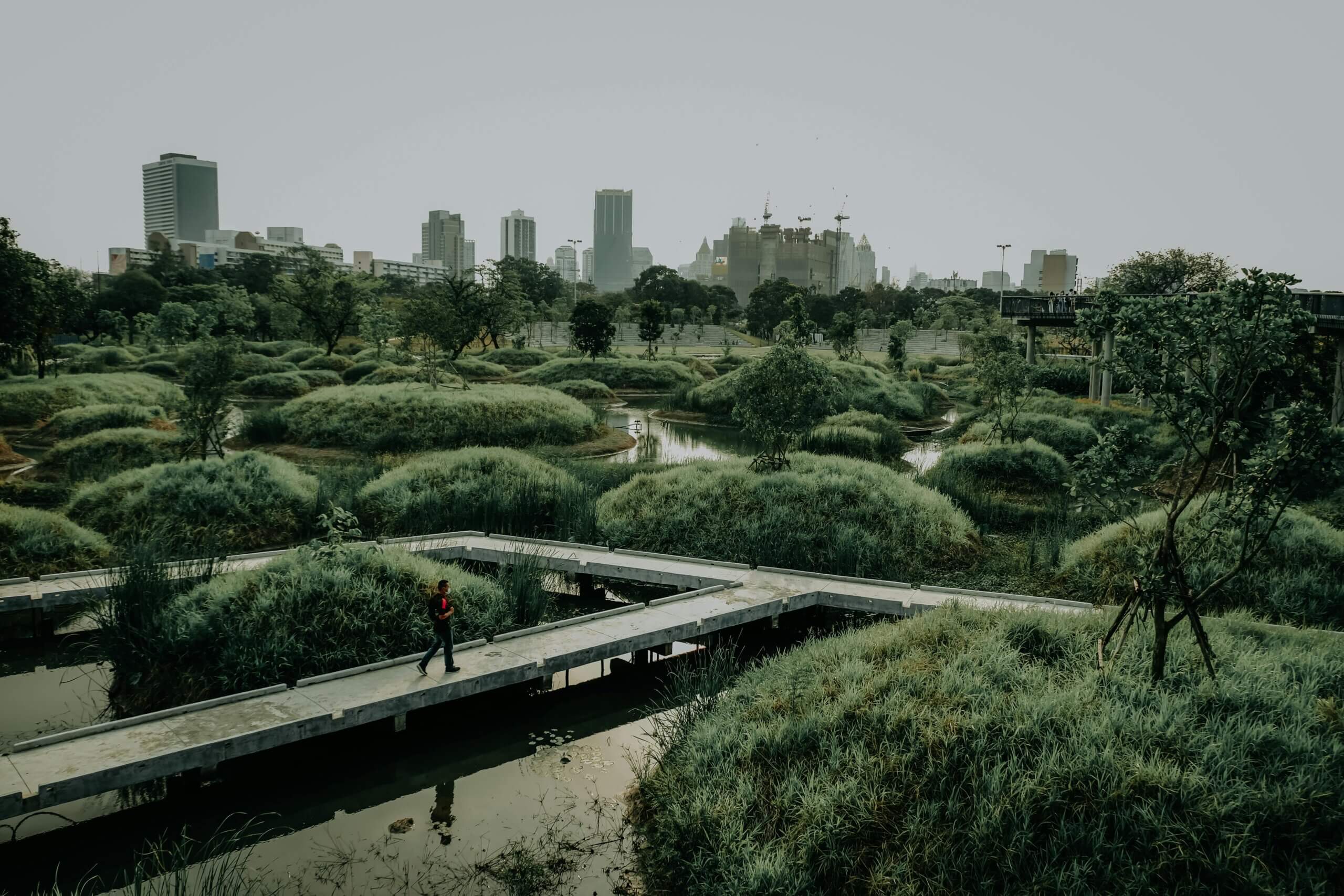
Why Nature-Based Solutions Matter
Nature already provides essential infrastructure. Well-designed NbS can:
• Restore degraded landscapes and ecosystems
• Improve water security and reduce pollution
• Increase resilience to climate risks such as floods and droughts, including in urban environments
• Support sustainable livelihoods and community outcomes
These solutions are central to achieving global climate and biodiversity goals, including the SDGs and the Global Biodiversity Framework. But unlocking their full potential requires moving beyond policy and pilots into scalable, investable projects.
The Real Constraint: Not Ideas, but Execution
Global momentum around NbS is strong. Capital is starting to flow. Significant public funding is already allocated to NbS, with growing interest from private investors, but the majority of projects remain small, unstructured, or unable to meet investor requirements. The challenge is not a lack of opportunity. It is the difficulty of structuring projects that align ecological outcomes with financial returns. This sits within a broader imbalance in how capital flows, where nature-positive investment continues to lag behind traditional sectors, as explored in Harmful Investments Outpace Nature-Positive Finance. While there are clear examples of large-scale, investable NbS, these are still concentrated in a limited set of geographies and models. Key barriers include:
• Fragmented stakeholder structures and unclear ownership frameworks
• Unclear or fragmented revenue models
• A lack of scalable, repeatable project structures
• Misalignment between on-the-ground realities and investor expectations
From Projects to Pipelines
Scaling NbS requires a shift in approach. Instead of isolated projects, the focus needs to be on building repeatable pipelines that institutional capital can support. This means:
• Structuring blended finance solutions that reduce risk
• Designing revenue models that go beyond single income streams
• Aligning projects with emerging frameworks such as TNFD
• Embedding community participation and long-term governance
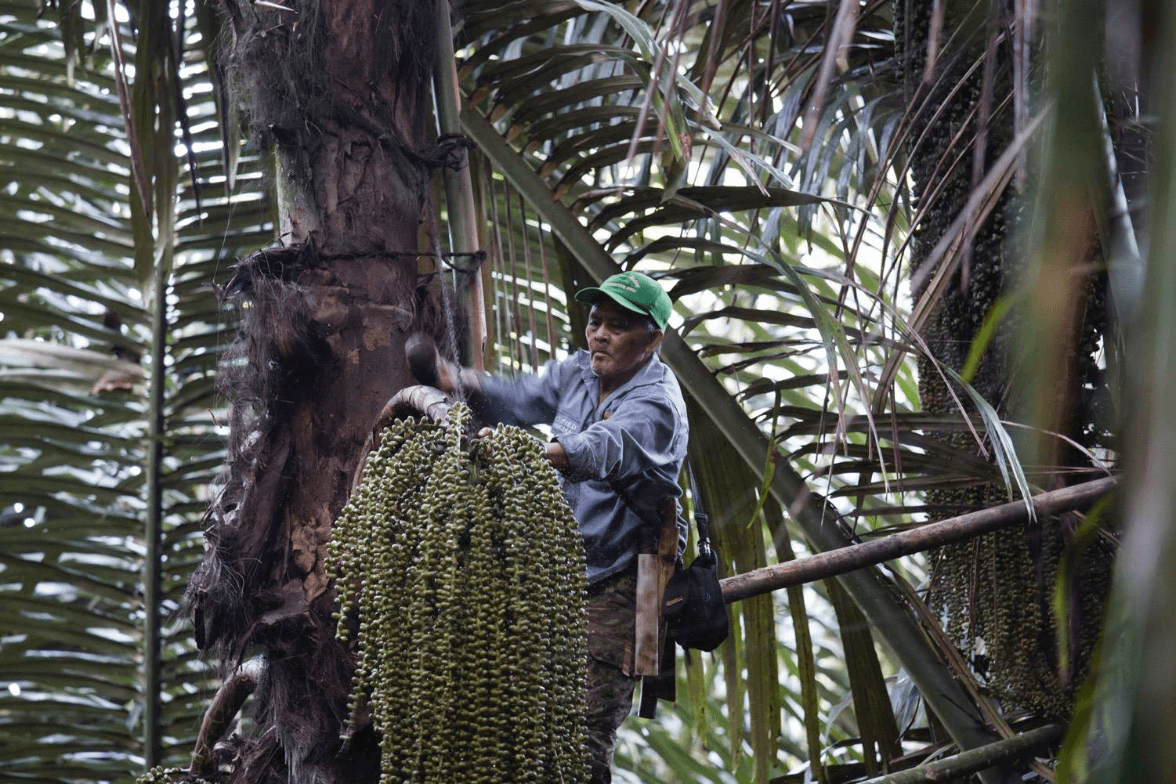
In short: moving from “good ideas” to bankable projects. The issue is not proving that NbS can work. It is making them repeatable. What defines an investable project is not scale alone, but structure. In practice, only a small subset of NbS meet the requirements for capital deployment. This is something we see directly in projects such as our work in Indonesia, where forest restoration is anchored in viable economic activity that can support long-term investment.
Seneca’s Role
Seneca works at the intersection of finance, development, and real-world project execution. We support:
• Project structuring and financial design
• Capital mobilisation across public and private sources
• Partnership development with governments, NGOs, and enterprises
• Translation of on-the-ground projects into investable opportunities
Our work spans land use, food systems, freshwater, and coastal ecosystems, with a focus on projects that can scale. We do not develop projects in isolation. Instead, we help partners strengthen project design, improve investment readiness, and connect viable opportunities with the capital, partnerships, and support needed to deliver lasting outcomes.
What Comes Next
Nature-based solutions are moving into the mainstream, but their future will depend less on ambition than on execution. We already know that restoring ecosystems, improving water security, strengthening resilience, and supporting livelihoods can deliver real benefits. The bigger challenge is turning successful projects into models that can be repeated in different places and attract the capital needed to grow.
Getting there will require stronger project pipelines, practical partnerships, and financing structures that work in the real world. The next phase of nature-based solutions is therefore not simply about defining what they are or proving that they work. It is about turning promising ideas into investable, repeatable projects capable of delivering meaningful environmental and social outcomes over the long term.